Gargoyle Names Generator
Find the perfect gargoyle names for your gothic fantasy, D&D campaign, or dark fiction with this gargoyle name generator. Rooted in Latin and French medieval tradition, these names capture the weight of stone, the silence of cathedral heights, and the brooding menace of twilight watchers carved to endure centuries — the same dark medieval-fantasy mood that inspires dark souls names.
Gargoyle Naming Conventions
Gargoyle names draw from Latin, Old French, and medieval German roots — languages that shaped the Gothic architecture these creatures are bound to. Hard consonants dominate: K, G, V, R, and X give names a rough, carved quality that evokes chiseled stone and crumbling masonry. Endings like -us, -or, -ax, and -oth echo ecclesiastical Latin and lend an ancient, immovable weight.
Traditional gargoyle names often reference their function or material: Saxorum means "of the rocks," Calcarius refers to limestone, and Vigilor is derived from the Latin for watcher. This naming logic mirrors how D&D and dark fantasy settings treat gargoyles — not as mindless monsters, but as ancient, purposeful guardians bound to a structure or a master.
Unlike demon names built from infernal syllables, or imp names that skew toward the diminutive and mischievous, gargoyle names feel architectural — heavy, deliberate, permanent. Witch and werewolf naming traditions share some Germanic influences, but gargoyle names are uniquely defined by that sense of cold, eternal stone. A stone gargoyle name should feel like something that could be carved above a cathedral door and still be legible in a thousand years.
Choosing Your Gargoyle Name
When building a gargoyle character, let the creature's origin shape the name. A cathedral gargoyle that has watched over the same city for centuries might bear a Latinized name like Morcavus or Grendaxis — timeless, formal, slightly eroded by the passage of years. A wild gargoyle from mountain crags could carry a harder Germanic name: Grauthar, Velskorn, or Brackvar.
In D&D campaigns, gargoyle names work especially well for creatures acting as bound guardians, cursed warriors turned to stone, or ancient constructs awakened by a mage. Pairing a stone gargoyle name with a title deepens the lore: "Saxorveth, the Unsleeping" or "Calcrix, Warden of the High Gate." If you need contrast within your monster roster, gargoyle names read distinctly different from the sinuous names of a kraken or the savage register of a werewolf.
For writers, gargoyle names drawn from this generator suit gothic horror, dark urban fantasy, and grimdark settings equally well. Consider the creature's alignment — a pegasus and a gargoyle may both be mythical, but where a pegasus name evokes light and flight, gargoyle names stay grounded in shadow, patience, and stone. Let the hard syllables do the work.
Popular Gargoyle Names and Their Meanings
| Name | Meaning | Origin | Gender |
|---|---|---|---|
| Morcavus | Ancient watcher of dark stone towers | Latin | Male |
| Grauthar | Hewn from grey mountain granite, unyielding | Germanic | Male |
| Calcrix | Limestone sentinel carved in the cathedral age | Latin | Neutral |
| Velskorna | She who keeps vigil through the longest nights | Germanic | Female |
| Saxorveth | Born of rock, bound to an eternal post | Latin | Male |
| Brackvar | Shadow guardian crouched above broken arches | Germanic | Male |
| Gorvaine | Twilight watcher of crumbling spires | Old French | Neutral |
| Durraxis | Stone-fisted protector of the cathedral nave | Latin | Male |
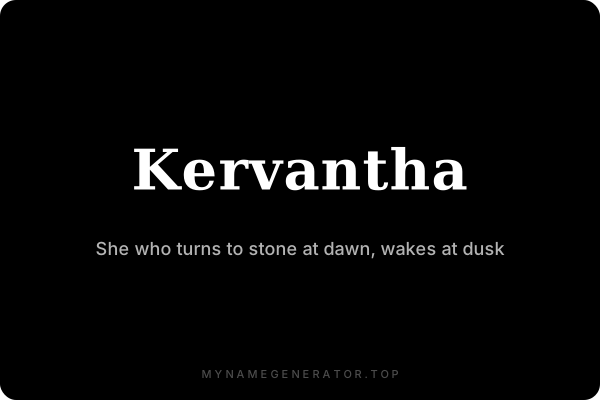
| Kervantha | She who turns to stone at dawn, wakes at dusk | Old French | Female |
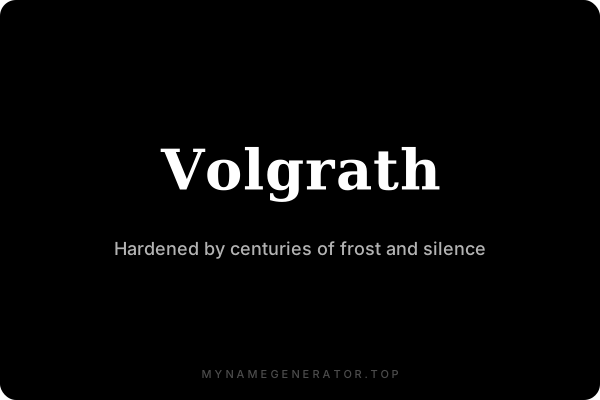
| Volgrath | Hardened by centuries of frost and silence | Germanic | Male |
| Grendaxis | Ancient one whose gaze has outlasted kingdoms | Latin | Neutral |
| Morvaine | Dark-winged guardian of forgotten crypts | Old French | Female |
Featured Name Cards
Frequently Asked Questions
What are gargoyle names?
Gargoyle names are names inspired by the stone guardian figures found on medieval European cathedrals and in dark fantasy traditions. They typically draw from Latin, Old French, and Germanic roots, featuring hard consonants and grave-sounding syllables that evoke carved stone, gothic architecture, and twilight vigils.
What are the best gargoyle names for D&D?
The best gargoyle names for D&D combine a weighty Latin or Germanic root with a sense of permanence and purpose. Names like Saxorveth, Calcrix, or Grauthar work well for guardian-type creatures. Adding a title — such as Morcavus, the Unsleeping — gives D&D gargoyle NPCs immediate depth and menace.
Can gargoyle names be used for female characters?
Absolutely. While gargoyles in classic mythology are often depicted as genderless stone constructs, modern fantasy and D&D settings frequently include female gargoyle characters. Names like Velskorna, Kervantha, or Morvaine carry the same hard-consonant gothic weight while reading as distinctly feminine.
How are gargoyle names different from demon or imp names?
Gargoyle names feel architectural and permanent — built from Latin and Germanic stone-quarry vocabulary. Demon names tend toward infernal, hissing syllables, while imp names are often smaller and more mischievous in cadence. Gargoyle names occupy a unique register: cold, deliberate, and immovable, like the cathedral facades they were carved to guard.
How do I choose the right stone gargoyle names for my character?
Start with the gargoyle's origin and function. Stone gargoyle names rooted in Latin — like Calcrix or Durraxis — suit cathedral-bound creatures with a formal, ancient history. A wild mountain gargoyle fits harder Germanic sounds like Brackvar or Volgrath. Consider adding a descriptive title to anchor the name in your world's lore and distinguish it from other creature types like werewolves or krakens.