Cerberus Name Generator
This cerberus name generator draws on Greek mythology and dark fantasy to create names worthy of the legendary three-headed hellhound who guards the gates of the underworld. Whether your beast breathes fire, lurks in shadow, or stands watch over forbidden realms, find a name that commands fear and respect.
Cerberus Naming Conventions
Cerberus names fall into two broad traditions. The first draws directly from Greek and underworld mythology: names like Tartarion, Stygos, or Phlegethon echo the rivers and realms of Hades, grounding the creature in ancient lore. These names rely on hard consonants, guttural stops, and Latin or Greek suffixes that give them weight and authority — very different from the flowing vowels you'd find in guardian dog names of a more heroic tradition.
The second tradition favors modern dark-fantasy compounds: Bonegnaw, Ashfang, Emberclaw. These hellhound names combine visceral English nouns with predatory actions or materials, immediately signaling danger without any mythological context needed. They work especially well for Stone and Shadow elemental builds, where the name should feel physical and grounded.
Mixing both traditions is often the strongest approach. A name like Pyranthax pairs a Greek fire root with a harsh suffix, while Skollvex borrows from Norse kenning style and fuses it with Latin. The gargoyle and wyvern naming pools use a similar hybrid logic — blending classical roots with modern menace for maximum impact. Where the caladrius of medieval lore heals and prophesies, the cerberus name should do the opposite: close, condemn, and foreclose any hope of return. Like the yeti lurking at the edge of the known world, cerberus occupies that same space in monstrous folklore where myth and dread converge. Like the basilisk whose gaze turns flesh to stone, cerberus names should feel final and inescapable. Aim for two to three syllables, avoid soft endings, and lean into three-headed dog names that sound like they could belong to more than one creature at once.
Choosing Your Cerberus Name
In D&D and other tabletop RPGs, a cerberus-type creature can fill several roles: a BBEG's prized familiar, a dungeon boss guarding a vault, or even a loyal companion for a warlock with underworld ties. For a Guardian build, choose names with weight and stillness — Aegiskar, Wallbound, Stonewatch — they suggest immovability. For a Hunter, go for names that evoke speed and hunger: Ashfang, Emberclaw, Voidstrike.
Writers crafting dark fantasy fiction will find that cerberus names land differently depending on the narrative register. A mythological retelling calls for authentic Greek roots; a horror-adjacent story benefits from modern compounds that feel feral and unpredictable. If your creature shares a world with creatures like the pegasus, kraken, or wyvern, anchoring its name in the same etymological register creates world-building coherence. For a demonic or necromantic context — think werewolf packs, demon lords, ghost-haunted ruins — lean into the Shadow and Storm elements, where names like Duskthroat or Grimveil fit naturally alongside other underworld denizens.
Popular Cerberus Names and Their Meanings
| Name | Meaning | Origin | Gender |
|---|---|---|---|
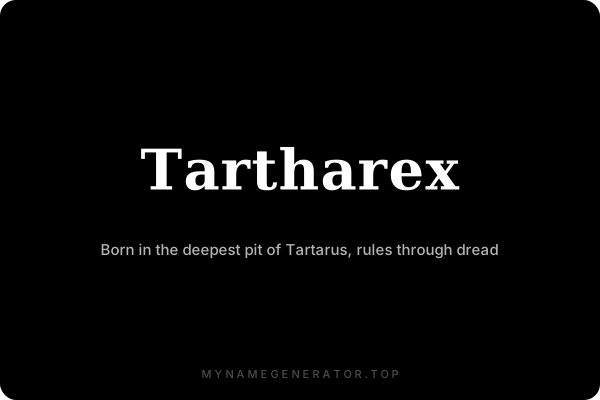
| Tartharex | Born in the deepest pit of Tartarus, rules through dread | Greek | Male |
| Stygara | Daughter of the Styx, dragged souls beneath the current | Greek | Female |
| Bonegnaw | Oldest of the hellhound pack, gnaws the bones of trespassers | Modern Fantasy | Male |
| Emberclaw | Fire-element guardian whose claws leave scorched stone | Modern Fantasy | Neutral |
| Phlegethax | Named for the river of fire that rings the underworld | Greek | Male |
| Ashfang | Shadow hunter that reduces prey to cinders and silence | Modern Fantasy | Female |
| Aegiskar | Stone guardian whose hide turns blades and spells alike | Greek | Male |
| Voidstrike | Storm watcher who strikes from the dark between worlds | Modern Fantasy | Neutral |
| Kerbossa | Ancient female aspect of Cerberus worshipped in Attica | Greek | Female |
| Grimveil | Shadow hunter cloaked in the shroud of the recently dead | Modern Fantasy | Neutral |
| Pyranthax | Fire guardian whose three heads breathe in unison | Greek | Male |
| Wallbound | Stone watcher that never moves, never sleeps, never forgives | Modern Fantasy | Female |
Featured Name Cards
Frequently Asked Questions
What is a cerberus name generator?
A cerberus name generator creates names inspired by Cerberus, the three-headed hellhound of Greek mythology who guards the entrance to the underworld. These names blend ancient Greek roots, underworld references, and dark fantasy compounds to produce menacing, evocative names for creatures, characters, or beasts in fiction and games.
What are the best cerberus names for a D&D campaign?
The best cerberus names for D&D depend on the creature's role. For a dungeon guardian, stone-elemental names like Aegiskar or Wallbound convey immovability. For a boss encounter, Greek mythology roots like Tartharex or Phlegethax add gravitas. Hunter-role hellhound names like Ashfang or Emberclaw work well for pursuit encounters.
Can I use cerberus names for other three-headed creatures?
Absolutely. These names suit any multi-headed guardian beast in your worldbuilding — not just cerberus. They work well for hydra variants, chimeras, or custom creatures that combine a guardian role with dark or elemental powers. The naming logic applies to any creature built around dread, vigilance, and underworld associations.
What is the difference between a cerberus name and a regular hellhound name?
Hellhound names tend to be purely modern and feral — short, sharp, focused on predation. Cerberus names carry an extra layer of myth and authority: they reference the underworld geography (Styx, Tartarus, Phlegethon), suggest a guardian function rather than pure aggression, and often have a classical weight that signals ancient power. A hellhound hunts; a cerberus presides.
How do I choose between Fire, Shadow, Stone, and Storm elements for my cerberus?
Think about the creature's environment and personality. Fire suits aggressive, active guardians that punish intrusion violently. Shadow fits hunters and ambushers, creatures of patience and darkness. Stone works for immortal, immovable sentinels — the classic gate-guardian archetype. Storm is best for unpredictable, supernatural cerberus types that strike without warning from the between-worlds.