Mongolian Name Generator
Mongolian names carry the spirit of the endless steppe — bold, meaningful, and deeply rooted in nature, warrior tradition, and Buddhist faith. From the conquering era of Genghis Khan to the vibrant modern nation, mongolian names reflect a culture that prizes strength, family, and the vast open sky.
Mongolian Naming Conventions
Mongolian names are meaning-rich by design. Parents select names that express desired virtues or blessings: Bayar means joy, Naran means sun, and Erdene means treasure. This directness gives mongolian names an unmistakable character — the name itself is a statement of hope or identity for the child.
Compound names are common and highly traditional. Bat-Erdene (strong treasure), Gantulga (steel hearth), and Enkhjargal (peace blessing) combine two meaningful roots into a single powerful name. Warrior names from the Khan era often invoke iron, fire, or celestial bodies — reflecting the harsh beauty of nomadic steppe life.
Buddhist influence from Tibetan and Sanskrit traditions introduced spiritual names like Otgon (youngest, blessed) and Delgermaa (abundance goddess), particularly for girls. Spelling varies between Cyrillic (the official Mongolian script since the Soviet era) and the traditional Mongolian vertical script, so the same name may appear with different romanizations. Unlike chinese or japanese names, Mongolian names are typically single-unit given names, with family names (ovog) rarely used in daily address.
Drawing Inspiration from Mongolian History and Culture
The Mongol Empire offers an extraordinary well of naming inspiration. Temujin — the birth name of Genghis Khan — means iron worker, a humble origin for history's greatest conqueror. His generals carried equally powerful names: Subutai (swift as the wind), Jebe (arrow), and Mukhali (unbreakable). These Khan-era mongolian names suit warrior characters, conquerors, or any figure of commanding presence.
Modern Mongolia blends this heritage with contemporary sensibility. Names like Enkh (peace) and Zul (lamp, light) reflect the post-Soviet era's softer aesthetic, while traditional names like Tenger (sky, heaven) remain popular across generations. The nomadic steppe tradition inspires names tied to horses, eagles, and the natural world.
Buddhist influences from Tibetan culture add a spiritual layer absent in neighboring korean or zulu naming traditions. Scottish and samurai naming cultures also prize warrior virtues, making Mongolian warrior names a natural creative bridge. Whether crafting a historical epic, fantasy world, or game character from an Inner Asian culture, mongolian names bring a distinct, resonant identity that stands apart from East Asian traditions.
Mongolian Name Generator by Variant
Female Mongolian Names
Mongolian girl and women names favor imagery drawn from the natural world and Buddhist blessing, moonlight, flowers, and abundance recurring across generations. Sarnai (moonlight dancing on water) and Tsetseg (flower) capture the pastoral beauty of the steppe, while Zaya (fortune) and Dolma (gift from above) carry the spiritual weight of Tibetan Buddhist influence. Historical figures like Borte, wife of Temujin, and Khutulun, the legendary wrestler-princess of the Mongol Empire, show that mongolian names for girls have always paired grace with genuine strength. Many feminine names end in -maa or -tsetseg, honoring motherhood and blossoming beauty alike.
- Borte Beloved wife of Temujin, symbol of Mongol royal lineage and strength.
- Khulan Graceful and beautiful, daughter of the Tatar tribe, royal consort.
- Oyuna Game or play; embodies the spirit of childhood and festive tradition.
- Tsetseg Flower; evokes the beauty of wildflowers blooming on the Mongolian grasslands.
- Sarnai Moonlight dancing on water; reflects the beauty of Mongolian night skies.
- Bolor All or entire; represents wholeness and completeness in Mongolian culture.
- Zaya Fortune and luck; brings good wishes and auspicious blessings to bearers.
- Shukhlan Radiant beauty; describes the glow of dawn over the steppe horizons.
- Khutulun Legendary warrior princess of the Mongol empire, skilled in wrestling.
- Seteg Happiness or joy; brings cheerful disposition to the Mongolian name.
- Dolma Gift from above; represents blessings bestowed by the eternal blue sky.
- Sarantuya Moon princess; combines heavenly body with royal status and gentle grace.
Male Mongolian Names
Mongolian boy and men names lean into warrior legacy and elemental strength, a tradition traced directly to the Khan era. Temujin (iron worker) was the birth name of Genghis Khan himself, while his generals Subutai and Jochi carried names now synonymous with conquest and command. Compound names like Bat-Erdene (strong treasure) and Otgonbaatar (thankful hero) fuse two meaningful roots into a single powerful identity, a hallmark of mongolian naming tradition. Spiritual names such as Munkh (eternal) and Tolui reflect Buddhist and shamanic influence, proving mongolian names for boys balance battlefield resolve with lasting inner meaning.
- Temujin Iron worker; birth name of Genghis Khan, founder of the Mongol Empire.
- Subutai Famous Mongol general and military strategist under Genghis Khan.
- Munkh Eternal; represents permanence and lasting strength in Mongol philosophy.
- Bat-Erdene Hero treasure; combines strength with precious value, warrior and noble.
- Otgonbaatar Thankful hero; embodies gratitude and heroic valor combined in one name.
- Chinggis Alternative spelling of Genghis; means great ocean ruler of vast empires.
- Tolui Mirror reflecting calm waters; symbol of clarity and peaceful strength.
- Jochi First son of Genghis Khan, founder of the Golden Horde dynasty.
- Bataar Heroic warrior; embodies bravery, honor, and strength of ancient Mongols.
- Khanai Royal ruler; denotes noble heritage and sovereign dignity in Mongol tradition.
- Gombojab Diamond jewel; symbolizes preciousness and unbreakable strength like gemstones.
- Tengis Sea or ocean; embodies vastness and the flowing nature of Mongol movements.
Popular Mongolian Names and Their Meanings
| Name | Meaning | Origin | Gender |
|---|---|---|---|
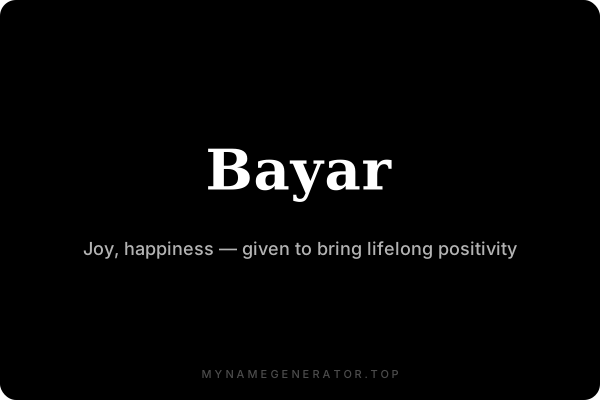
| Bayar | Joy, happiness — given to bring lifelong positivity | Mongolian | Male |
| Naran | Sun — radiant and life-giving, a name of light | Mongolian | Female |
| Erdene | Treasure, jewel — precious and valued | Mongolian | Neutral |
| Bat-Erdene | Strong treasure — compound warrior name combining power and worth | Mongolian | Male |
| Enkhjargal | Peaceful blessing — a prayer for a serene, fortunate life | Mongolian | Female |
| Tenger | Sky, heaven — the eternal blue sky sacred to shamanic tradition | Mongolian | Male |
| Narantsetseg | Sunflower — sun + flower, a beloved feminine name | Mongolian | Female |
| Gantulga | Steel hearth — strength and the warmth of the family ger | Mongolian | Male |
| Delgermaa | Abundance, prosperity — a Buddhist-influenced name for girls | Mongolian | Female |
| Temujin | Iron worker — the birth name of Genghis Khan | Mongolian | Male |
| Altantsetseg | Golden flower — altan (gold) + tsetseg (flower) | Mongolian | Female |
| Sukhbaatar | Axe hero — hero of the 1921 Mongolian revolution | Mongolian | Male |
Featured Name Cards
Frequently Asked Questions
What are traditional Mongolian names?
Traditional Mongolian names are deeply meaning-based, often referencing nature, virtues, or blessings. Examples include Naran (sun), Erdene (treasure), Bayar (joy), and Tenger (sky). Many are compound names combining two meaningful roots, like Bat-Erdene (strong treasure) or Enkhjargal (peaceful blessing).
What are popular Mongolian boy names?
Popular mongolian boy names include Bat (strong, firm), Gantulga (steel hearth), Tenger (sky), Temujin (iron worker), and Enkh (peace). Warrior names from the Khan era such as Subutai and Jebe are also used for their historical prestige and powerful meaning.
What are popular Mongolian girl names?
Common Mongolian girl names include Naran (sun), Narantsetseg (sunflower), Delgermaa (abundance), Altantsetseg (golden flower), and Enkhjargal (peaceful blessing). Many feminine names end in -maa or -tsetseg, meaning goddess/mother and flower respectively.
How are Mongolian names different from Chinese or Japanese names?
Unlike chinese or japanese names which rely on character-based writing systems with complex kanji or hanzi meanings, Mongolian names are direct vocabulary words in the Mongolian language. A Mongolian name like Bayar simply means joy — there is no hidden character meaning to interpret. Family names are also rarely used in daily address, unlike East Asian naming customs.
Did Genghis Khan have a Mongolian name?
Yes — Genghis Khan was born Temujin, meaning iron worker in Mongolian. He took the title Genghis Khan (universal ruler) after uniting the Mongol tribes in 1206. His generals also had meaningful Mongolian names: Subutai means swift, and Jebe means arrow, reflecting their battlefield roles.