Villain Names Generator
Every great story needs a great villain — a name that sends chills down the spine before a single deed is revealed. Our villain name generator delivers over 200 names dripping with menace, ambition, and dark charisma. Whether you're crafting a D&D antagonist, writing a fantasy novel's ultimate threat, or building a game's final boss, you'll find names that command fear and fascination. Where demon names channel raw infernal fury, villain names carry the calculated terror of mortal ambition twisted toward darkness.
Villain Naming Conventions
Villain names use phonetic tricks to signal danger before a character even speaks. Hard consonants (K, V, X, Th), dark vowels (O, U), and ominous suffixes (-bane, -scar, -shroud) create an instinctive sense of threat. Evil villain names like Malric Thornfield, Thorne Vilehart, or FrostShroud layer these elements into names that sound powerful and menacing without feeling cartoonish.
Unlike rogue names which suggest cunning stealth, fantasy villain names project authority and dread. Dark lord names favor compound surnames — Ravenscar, Gravesend, Hallowbane — that double as reputations. Female villain names like DarkQueen or Magnus Hallowbane carry the same devastating weight, proving that villainy transcends gender in the best fiction.
The archetype shapes the naming tone. A mastermind villain benefits from a name that sounds intelligent and controlled — Lilith Ruinspire, Malric Ravenscar — while a monster type needs something more primal and terrifying. Trickster villains carry names with a sharp, almost playful edge — the jester archetype, from dark-jester to mad-jester, follows this same tradition, pairing whimsical sounds with menacing suffixes. Tyrant names ring with the heavy authority of necromancer names — oppressive and absolute.
Finding the Perfect Villain Name
Choosing a villain name starts with understanding what makes your antagonist frightening. Is your villain a dark lord who commands armies, a mastermind pulling strings from the shadows, or a trickster whose charm hides lethal intent? Each archetype demands a different naming approach. Vortex sounds unstoppable, Soren Gravesend sounds cunning, and DarkBrand sounds ancient and unknowable.
For tabletop RPGs, villain names work best when they contrast with the party. A paladin named Kaelith Truthseeker facing a villain named Thorne Vilehart creates instant narrative tension through names alone. Consider giving your villain a title that NPCs whisper in fear — "the Ruinspire" or "the Hallowbane" — building dread before the party ever meets them.
Writers should consider the villain's arc. An antihero who was once good needs a name that could belong to either side — Magnus or Sable feel human enough to generate sympathy. A dark-elf villain benefits from exotic syllables that mark them as other, while a human tyrant should carry a name that sounds disturbingly ordinary next to their terrible deeds. The best villain names haunt readers long after the story ends.
Villain Names Generator by Variant
Villainess Names
A villainess commands the room before she lifts a finger — her name should do the same. The strongest villainess names blend elegance with menace: a soft, regal first name undercut by a surname that promises ruin. Female antagonists span the full villain spectrum — masterminds pulling strings from a throne, sorceresses bargaining with darkness, assassins who smile as they strike. Whether you are writing a fairy-tale dark queen, a corporate schemer, or a fallen heroine, choose a name that sounds beautiful on the surface and dangerous underneath. Use the Female filter to generate villainess names ready for your story.
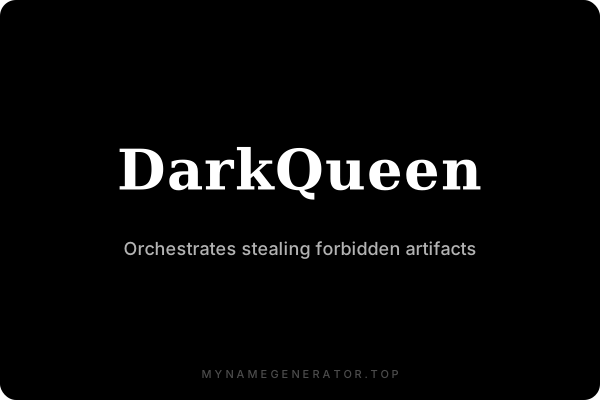
- DarkQueen Behind every crisis stands DarkQueen, orchestrating stealing forbidden relics fo
- WarStalker Children are warned: if you see a thorned coin, WarStalker is near.
- Magnus Hallowbane Once a hero, Magnus Hallowbane turned to storm-binding, now hungers for vengeanc
- FrostShroud In the underworld ledgers, FrostShroud is owed favors by kings and killers alike
- CopperLord Children are warned: if you see a thorned coin, CopperLord is near.
- Malric Ravenscar The sunken palace answers to Malric Ravenscar alone; there they hone storm-bindi
- Requiem Requiem is a scheming mastermind known for seizing control of underworld cartels
- Overlord Behind every crisis stands Overlord, orchestrating rewriting history for power b
- Eclipse The skyborne fortress answers to Eclipse alone; there they hone voidfire.
- Tenebris Dreadmoor In the underworld ledgers, Tenebris Dreadmoor is owed favors by kings and killer
- VileBreaker VileBreaker is a vengeful mastermind known for weaponizing plagues, plotting tow
- Banshee In the underworld ledgers, Banshee is owed favors by kings and killers alike.
Male Villain Names
Male villain names carry weight through hard consonants and titles that hint at conquest. The cold tyrant, the scheming mastermind, the dread sorcerer — each needs a name that lands like a verdict. Pair a commanding first name with a surname rooted in shadow, decay, or violence, and add an epithet for a recurring antagonist your players or readers will dread. Male villains work across every register, from the brute warlord to the silken manipulator who never raises his voice. Use the Male filter to generate villain names built to anchor your story's darkest figure.
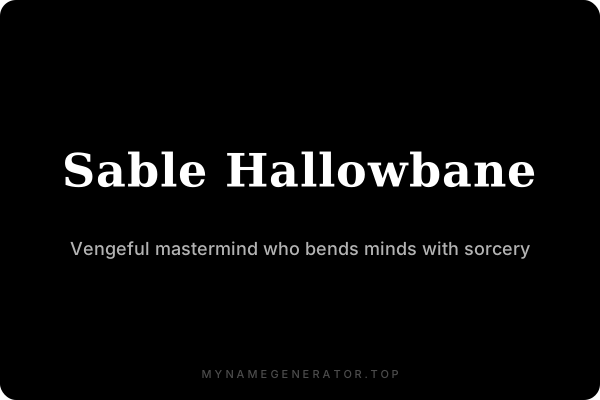
- Sable Hallowbane Sable Hallowbane is a vengeful mastermind known for bending minds with whispers,
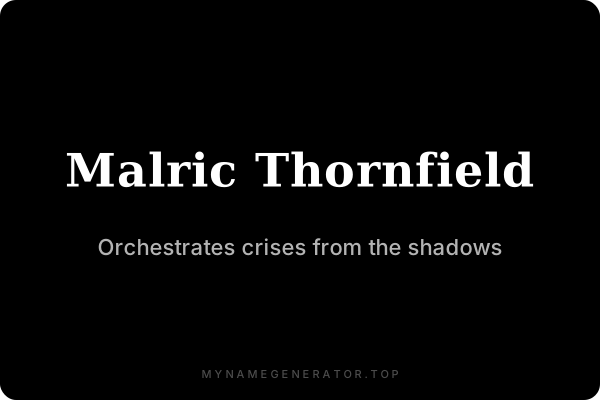
- Malric Thornfield Behind every crisis stands Malric Thornfield, orchestrating weaponizing plagues
- Ravenna Gravesend In the underworld ledgers, Ravenna Gravesend is owed favors by kings and killers
- Soren Gravesend Whispers say Soren Gravesend bears a rusted blade and rules from the labyrinthin
- Vortex Vortex is a cold-blooded mastermind known for stealing forbidden relics, plottin
- Rowan Frostgrave Whispers say Rowan Frostgrave bears a burning sigil and rules from the ashen cat
- BlackViper Once a hero, BlackViper turned to necromancy, now hungers for power beyond morta
- PhantomStorm Once a hero, PhantomStorm turned to voidfire, now hungers for a world remade.
- BlightStorm Behind every crisis stands BlightStorm, orchestrating stealing forbidden relics
- ChaosLord In the underworld ledgers, ChaosLord is owed favors by kings and killers alike.
- IronMaster Children are warned: if you see a black rose, IronMaster is near.
- Vesper Hexborne Once a hero, Vesper Hexborne turned to storm-binding, now hungers for control of
Popular Villain Names and Their Meanings
| Name | Meaning | Origin | Gender |
|---|---|---|---|
| Malric Thornfield | Orchestrates crises from the shadows | Gothic | Male |
| DarkQueen | Orchestrates stealing forbidden artifacts | Fantasy | Female |
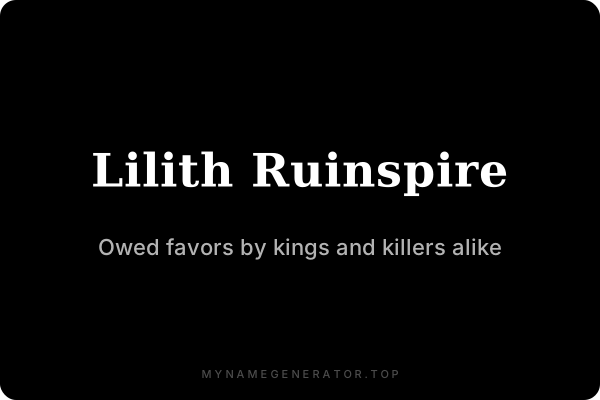
| Lilith Ruinspire | Owed favors by kings and killers alike | Mythological | Neutral |
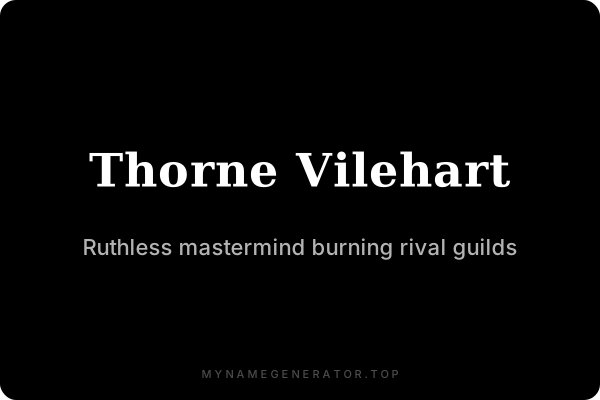
| Thorne Vilehart | Ruthless mastermind burning rival guilds | Gothic | Neutral |
| Sable Hallowbane | Vengeful mastermind who bends minds with sorcery | Dark Latin | Male |
| FrostShroud | Owed favors by kings and killers alike | Fantasy | Female |
| Magnus Hallowbane | Once a hero, now hungers for storm-binding power | Norse-inspired | Female |
| Soren Gravesend | Bears a rusted blade and rules from labyrinthine depths | Gothic | Male |
| Vortex | Cold-blooded mastermind stealing forbidden relics | Fantasy | Male |
| DarkBrand | Commands a midnight citadel, honing time-bending magic | Fantasy | Neutral |
| Malric Ravenscar | Commands a sunken palace and shadow sorcery | Gothic | Female |
| Ravenna Gravesend | Owed favors by kings and assassins | Gothic | Male |
Featured Name Cards
Frequently Asked Questions
What are villain names?
Villain names are names designed for antagonists in fantasy fiction, RPGs, and games. They use hard consonants, dark vowels, and ominous compound words to create an instant sense of threat and power. Great villain names make readers fear a character before they even act.
What is a good villain name for a D&D campaign?
Great evil villain names depend on your antagonist's archetype. For a dark lord, try Malric Thornfield or Sable Hallowbane. For a trickster, Lilith Ruinspire or Soren Gravesend work beautifully. Give your BBEG a title that NPCs whisper in fear for maximum impact at the table.
Can I use these names for novels and video games?
Absolutely. These fantasy villain names work across all media — novels, video games, screenplays, and tabletop RPGs. The archetype filters (Dark Lord, Mastermind, Trickster, Tyrant) let you match the name's tone to your specific antagonist concept.
What is the difference between villain names and demon names?
Demon names channel raw, supernatural evil with guttural, infernal sounds. Villain names carry mortal ambition — they sound like people who chose darkness rather than being born from it. A demon's name inspires primal fear; a villain's name inspires dread born from knowing what a person is capable of.
How do I choose the right villain archetype for naming?
Match the name to your villain's method. Dark lord names sound authoritative and commanding. Mastermind names feel intelligent and controlled. Trickster names carry a sharp, playful edge. Female villain names and neutral names carry the same menace — use the gender and type filters together to find a name that captures your antagonist's personality.